

Summary (≈150 words)
On 15 April 2026, Iran’s “Ring of the Prophets” command—responsible for coordinating the army and the Islamic Revolutionary Guard Corps—issued an explicit warning that, if the United States continues its maritime blockade of Iranian ports, Tehran will cut the Gulf‑Arabian Sea‑Red Sea shipping corridor. Speaker Saheb Al‑‘Asa said that closing the Bab Al‑Mandeb Strait would push the conflict into a new geographic arena, creating a worldwide economic, political and security crisis. He described the Strait of Hormuz as the world’s “oil‑gas reservoir” and the Bab Al‑Mandeb as the “gateway” for those resources to Europe, noting that closing it would cripple global trade, force ships onto the far more costly Cape of Good Hope route, and dramatically raise shipping times and fuel prices.
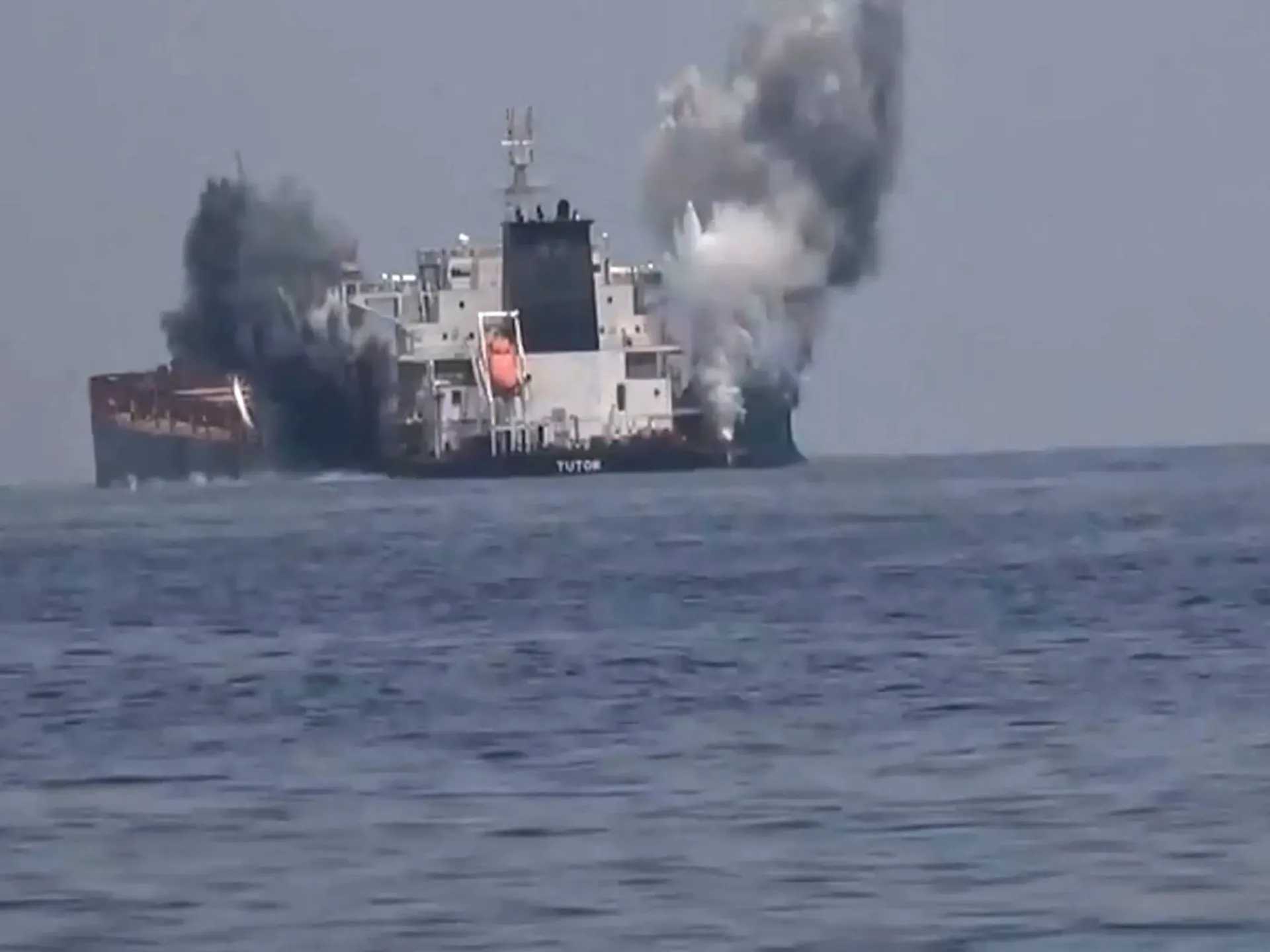
U.S. forces, including three aircraft carriers, face Iran’s network of 40 militarised islands. Colonel Elias Hanna characterized the U.S. blockade as a “maritime health‑check,” relying on satellite tracking and Marine/Coast Guard interceptions, especially of tankers from the Khark island complex (≈90 % of Iranian oil). He stressed Hormuz’s primacy over Bab Al‑Mandeb and clarified that Iran’s support for the Houthi rebels in Yemen is limited to advice and training—no direct Iranian troops operate there. Recent Houthi attacks on vessels near Bab Al‑Mandeb underline the growing risk of a broader confrontation involving Israel, the United States, and regional partners.

