

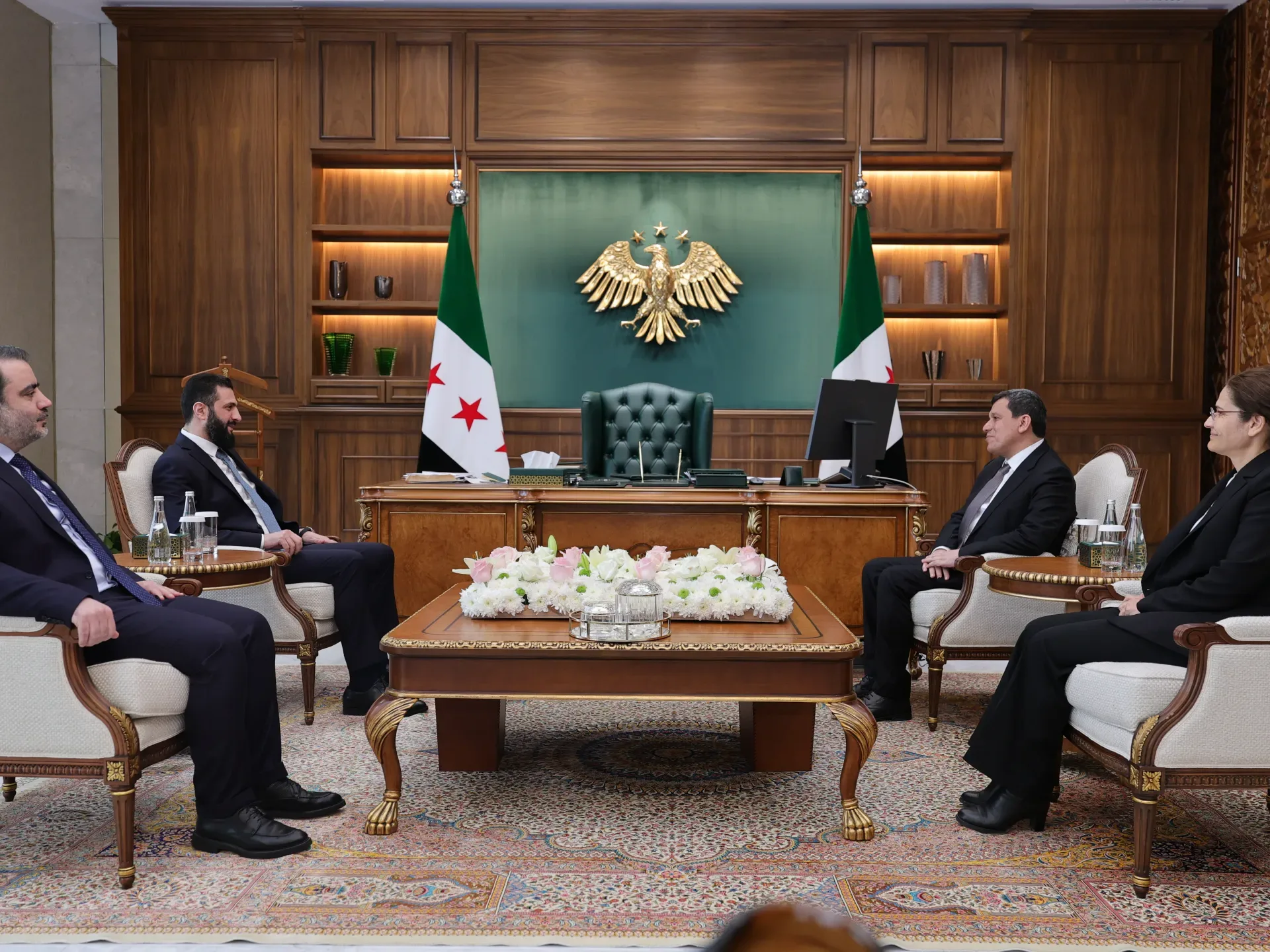
In a notable political and field shift, Syrian authorities have moved from dialogue to actual implementation with the Kurdish‑led Syrian Democratic Forces (SDF). A high‑level meeting between President Bashar al‑Assad and SDF commander Mazlum Abbadi, attended by senior officials, discussed mechanisms for integrating the SDF and its self‑governance structures into the state framework, building on the January 2023 accord that could soon culminate in a full military solution. The Syrian presidency announced the start of a comprehensive agreement that will transfer the detainee issue in the east to state institutions via a dual track of prisoner releases and gradual hand‑over of prisons. Political analyst Bassam Suleiman highlighted that this is the first “Syria‑only” discussion of implementation, free of external mediation, and stressed security imperatives along the Iraq border. On the ground, “Kurdistan Without Borders” director Kadar Beri reported that the military merger is more than half complete, with SDF and Asayish leaders already in Damascus to regularise ranks. Civil institutions (migration, passports, civil status) are returning, technical teams are working in al‑Hasakah and Qamishli, and the Asayish is being rebranded as “Public Security.” The deal envisions absorbing Asayish into the Interior Ministry and giving SDF leaders senior posts—deputy defence minister for the east and deputy security chief. Suleiman expects broader administrative decentralisation modeled on Turkey, while retaining central control over security and defence. Challenges include delayed prisoner lists, resistance from displaced‑person owners in Afrin and surrounding towns, ideological opposition from groups like the “Revolutionary Youth,” and the integration of women’s protection units, proposed to move under the Interior Ministry. The January 30 2024 comprehensive agreement aims to end Syria’s division and launch a new integration phase.
المصدر
بعد تصادم القانون مع الموقف الشعبي… هل نقترب من لحظة الانفراج التي قد تُفضي إلى حلّ وضع “قسد”؟ | شؤون سياسية


مقالات ذات صلة